When families tour a senior living facility, they ask about meals, activities, nursing staff ratios, and room sizes. Dental care rarely comes up. It probably should.
Oral health is one of the most overlooked aspects of aging well and one of the most consequential. The state of a senior’s mouth affects far more than their smile. It influences what they can eat, how they feel day-to-day, their risk of serious illness, and their sense of dignity and confidence. For older adults in particular, the gap between good oral care and neglected oral care can be wide and the consequences significant.
What Changes in the Mouth as We Age
Getting older brings a predictable set of oral health challenges. Saliva production often decreases, either as a natural part of aging or as a side effect of common medications and saliva is the mouth’s first line of defence against bacteria and tooth decay. Dry mouth isn’t just uncomfortable; it accelerates the breakdown of tooth enamel and creates an environment where harmful bacteria thrive.
Gum tissue recedes over time, exposing the roots of teeth to decay and sensitivity. Decades of wear and tear take a toll on crowns, fillings, and natural enamel. And for seniors managing multiple medications, which is most of them, drug interactions can cause everything from inflamed gums to oral sores to changes in taste that affect appetite and nutrition.
Cognitive decline adds another layer of complexity. Seniors experiencing early dementia or Alzheimer’s may forget to brush, resist assistance with hygiene, or be unable to communicate that something in their mouth is causing them pain.
Oral Health for Senior & Full Body Wellness
Here’s what surprises most people: oral health for seniors doesn’t stay in the mouth. There is well-established research linking poor oral health to serious systemic conditions, and for older adults, the stakes are particularly high.
Gum disease (periodontitis) has been associated with increased risk of heart disease and stroke. Oral bacteria can enter the bloodstream and contribute to inflammation throughout the body. For residents with diabetes, the relationship is bidirectional. Gum disease makes blood sugar harder to control, and poorly managed diabetes makes gum disease worse. Aspiration pneumonia, a leading cause of hospitalization and death among older adults, can occur when oral bacteria are inhaled into the lungs, which is a risk that rises sharply when oral hygiene is inconsistent.
Pain and infection stemming from untreated dental problems can also cause or worsen behavioural changes in seniors with dementia, since pain that cannot be communicated often presents as agitation or withdrawal instead. Maintaining oral health for seniors is critical.
Access Challenges
Even seniors who understand the importance of dental care often don’t get it. The reasons are practical: mobility limitations make getting to and from a dental office difficult. Many don’t drive. Arranging transportation requires family coordination, time, and energy. Dental offices themselves can be physically challenging to navigate for someone using a walker or wheelchair. And dental care is expensive for seniors on fixed incomes without extended benefits, even a routine cleaning can feel out of reach.
The result is that dental care gets deferred, then deferred again. Small problems become larger ones. A treatable cavity becomes an extraction. A manageable gum issue becomes advanced periodontitis. By the time something becomes urgent, the intervention required is far more invasive and costly than prevention would have been.
How Lynn Valley Care Centre Approaches Dental Health
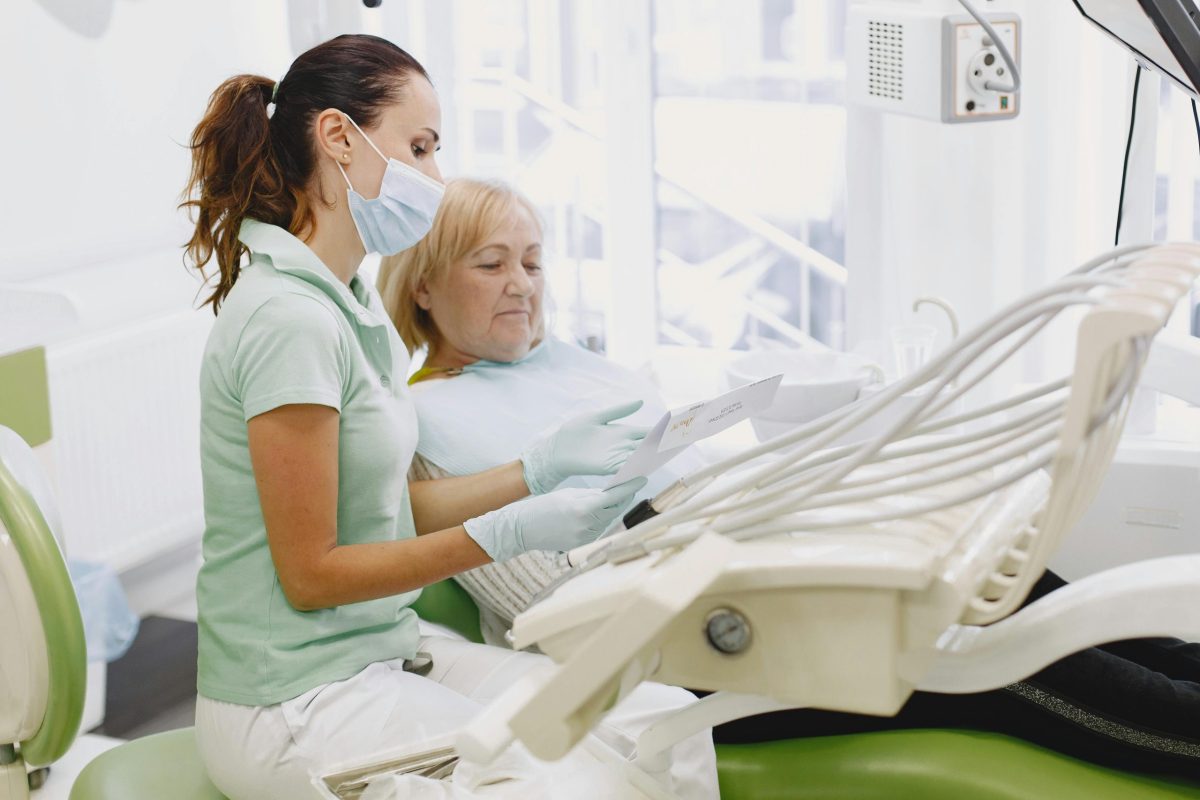
This is where Lynn Valley Care Centre takes a genuinely different approach. Rather than leaving dental care to families to coordinate, or to residents to manage on their own, Lynn Valley has an in-house dental office with monthly visits from dentists, right on site.
For residents, this means their teeth are being checked regularly without anyone needing to arrange transportation, take a day to attend an appointment, or navigate an unfamiliar clinic. The dentist comes to them. In a care home setting, where the facility is a resident’s home, having that level of healthcare available within their own walls is a meaningful quality-of-life difference.
For residents with mobility challenges, this is especially significant. What might otherwise be an exhausting half-day outing becomes a routine part of living at Lynn Valley. Care staff are familiar with each resident’s needs. The environment is known and comfortable. There’s no anxiety about getting there and back.
Conclusion
Oral health for seniors is a window into overall health, and for older adults, consistent dental care is genuinely preventive medicine. If you’re exploring senior living options in North Vancouver and the Lower Mainland, it’s worth asking every facility you visit: what does dental care actually look like here? At Lynn Valley Care Centre, the answer is simple: it’s built in




Leave A Comment